Step into 1980s Dublin
On a cold, damp Dublin day, Padraig enters Ryan’s of Parkgate Street in a dark and despairing mood – and meets the man.
From that moment on nothing is the same.
An emerging leader who is beset by doubt, Padraig finds himself tested by rejection, deceit and downright foul play.
Over pints of stout, in the dim corners and snugs of Victorian Dublin pubs, profound conversations unfold and strange coincidences begin to occur.
Set in 1987, this intimate novella is told through conversations, tracing Paidraig’s passage towards self knowledge.
What he learns lies within himself—the discovery, development, and purposeful use of the resources he already possesses, and with them, his capacity to truly lead.


Myles Downey
I am a lifetime student of performance, coaching, self-expression and leadership. In my day job I work as an executive coach, specialising in leader performance. I’m also an engaging and hopefully, inspirational conference speaker and author.
My books include Effective Modern Coaching which has been in print since 1999 and more recently, Enabling Genius.
Dublin’s Victorian Pubs
Many a city is shaped by a major river and this is particularly true of Dublin.
As a medieval city, the River Liffey ran behind houses and commercial buildings, where back gardens emptied directly into the water, turning the river into what was effectively an open sewer.
With the rebuilding of the central part of the city in Georgian times, one development in particular impacted the shape and feel of the city – it was decreed that the front of new buildings should face the river.
At the same time many of the city’s more famous buildings which line the river were built including Custom House and the Four Courts. This transformed the river and the quays and led directly to the development of what we now call Georgian Dublin.
The area around the river was developed with wider streets, squares built around greens and elegant houses.
Another development of arguably less significance occurred at the same time, a cultural one.
A Dubliner’s mental map of the city is typically built around the locations of it’s public houses, people navigate according to these landmarks.
The Georgification of the city and the increasing wealth of its inhabitants allowed these pubs to develop. A traditional Dublin pub would have begun life in a domestic dwelling where the owner might open the front room as a place where local people could come together for a drink, to meet and discuss the affairs of the day.
Where these nascent pubs were successful the owner would convert other parts of the house to accommodate more customers and in some cases add a restaurant in the upstairs rooms.
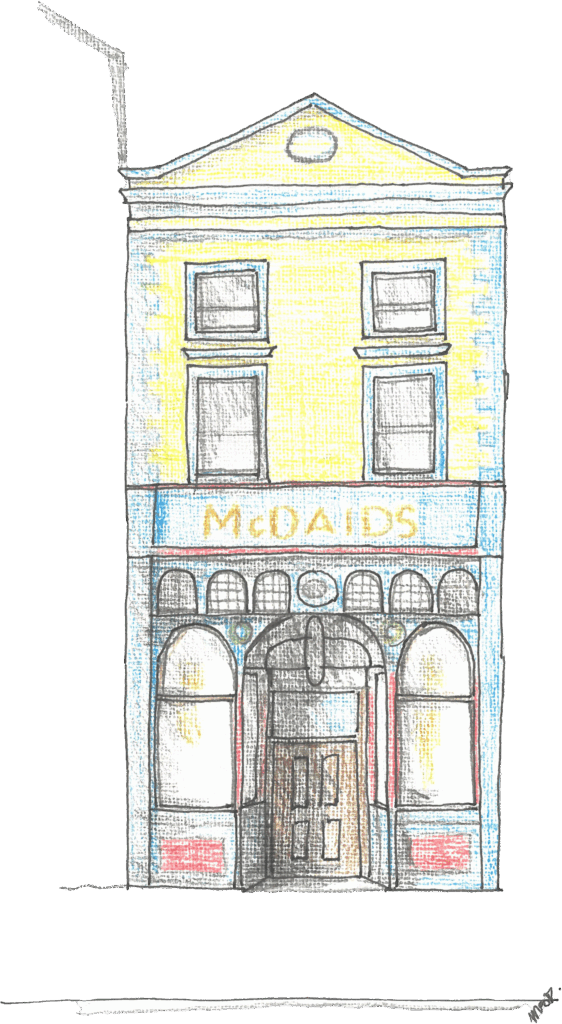
From these humble beginnings the great institution of the Dublin Victorian pub emerged, coming to full flower in the early 1900’s when many public house were embellished with the trappings of the Art Nouveau and Art Deco movements: turned wood, stained glass and metals worked in an organic, flowing manner that still define the pubs today.
Pull up a chair...
Step inside and join the conversation. Explore the themes of the book, share your reflections on leadership, and discuss the challenges of guiding yourself and others. Connect with fellow readers and discover how Padraig’s journey can spark insight into your own path as a leader.